 Lift’s Go
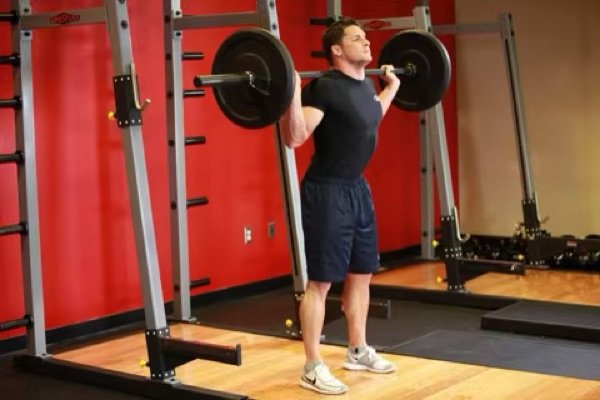
Starting to lift weights can feel confusing. There’s endless advice, and much of it contradicts itself. The good news: the basics that work for beginners are simple, and they haven’t changed in decades.
Why start lifting
Strength training builds muscle and strength, supports your bones and joints, and makes everyday life easier. You don’t need to want to be a bodybuilder or a powerlifter to benefit.
The basic lifts
You can build a great foundation with a handful of exercises:
- Squat for your legs and core
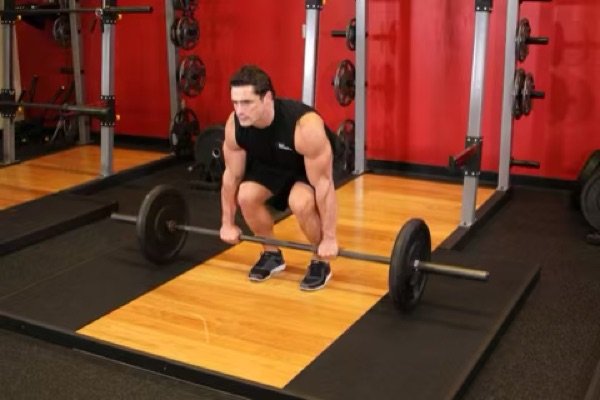
- Deadlift or a hip hinge for your back, glutes and hamstrings
- Bench press or push-ups for your chest, shoulders and triceps
- Overhead press for your shoulders
- Rows and pull-ups for your back and biceps
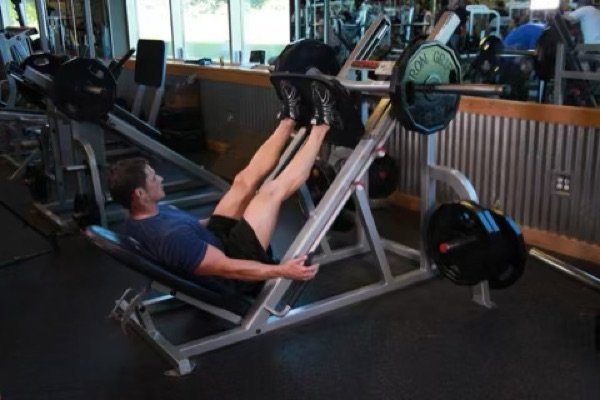
Machines and dumbbells are fine too. A leg press, goblet squat or dumbbell press teach the same movement patterns.
How often to train
Three full-body sessions a week is a great place to start, with a rest day between each. For example, Monday, Wednesday and Friday. Each muscle gets trained often enough to learn the movements and grow, with plenty of time to recover.
See a full example in our 3-day beginner strength plan: A simple 3-day beginner strength plan
How much weight to use
Start lighter than you think. Choose a weight you can lift for the planned reps with good form and 2 or 3 reps left in the tank. The first few weeks are for learning. You’ll add weight quickly.
Sets and reps
For most beginners, 2 to 3 sets of 6 to 12 reps per exercise works well. Rest 2 to 3 minutes between sets of big lifts and 60 to 90 seconds on smaller ones.
How to keep progressing
Progress comes from doing a little more over time, called progressive overload. When you hit the top of your rep range on every set, add a small amount of weight next time. Read more: Progressive overload: how to add weight without stalling
The simplest way to make this work is to write down every set. If you know what you lifted last time, you know what to beat.
Common beginner mistakes
- Changing the program every week. Stick with one plan for at least 8 weeks.
- Going too heavy too soon. Ego lifting slows progress and invites injury.
- Skipping the warm-up. A few light sets of your first exercise go a long way.
- Not tracking. Memory is unreliable. Log it.
Safety first
Learn the movements with light weights, use safety pins or a spotter on heavy bench and squat, and stop if something hurts (pain, not just hard work). Check with a doctor before starting if you have an injury or health condition.
FAQ
How long until I see results? Most beginners get noticeably stronger within 4 to 6 weeks. Visible muscle takes a few months of consistent training.
Do I need a gym? Not at first. Dumbbells or a few bodyweight exercises can work, but a gym makes progressive overload much easier.
Should I do cardio too? Yes, some cardio is great for health. It won’t stop you from getting stronger if you keep it moderate.
Track it with Lift’s Go
Lift’s Go is a free weightlifting tracker for iPhone. It shows what you lifted last time on every set and tells you when to add weight: https://apps.apple.com/us/app/weight-lifting-tracker-lift-go/id6835202886